Analyzing the Benefits of Open Data Initiatives
Open data initiatives have emerged as powerful tools for fostering transparency, innovation, and community engagement. By making data accessible, governments and organizations can empower citizens to harness information for various purposes. This article explores the benefits of these initiatives and how communities across the U.S. can leverage open data effectively.
Understanding Open Data
Open data refers to information that is made publicly available for anyone to access, use, and share. According to the U.S. Government’s Open Data Policy, this data can enhance civic engagement and drive better decision-making. Typically, open data encompasses a wide range of subjects, including public health, transportation, and environmental factors.
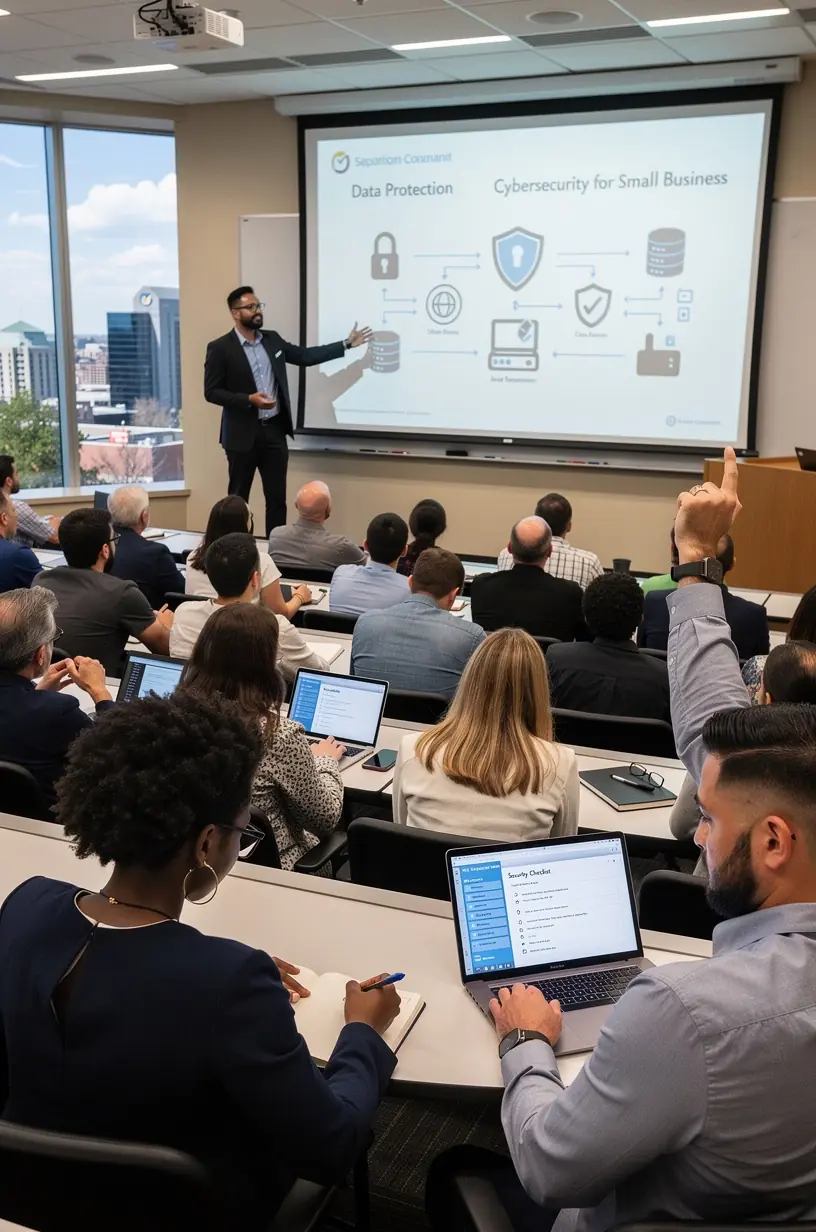
"Access to open data is a fundamental element of transparency and accountability in governance." - Dr. Sarah Johnson, Data Policy Expert
Benefits of Open Data Initiatives
Communities that adopt open data initiatives can experience numerous advantages:
- Enhanced Transparency: Open data can lead to increased trust in government and institutions. When citizens can access information about public spending or policy decisions, they are more likely to engage in civic processes.
- Data-Driven Decision Making: By providing access to relevant data, local governments can facilitate informed decision-making by citizens and organizations. Research shows that data-informed decisions often lead to improved outcomes.
- Innovation and Economic Growth: Open data can stimulate innovation by allowing startups and entrepreneurs to create new applications and services. Studies suggest that regions with strong open data policies often see a boost in economic activity as a result.
- Community Empowerment: Access to open data can empower community members to identify and address local issues. Many users report that having data at their disposal enhances their ability to advocate for change in their neighborhoods.
Implementing Open Data Strategies
For communities considering the adoption of open data, it is important to establish a clear strategy:
- Identify Key Data Sets: Communities should determine which data sets are most relevant to their residents. This may include crime statistics, public health data, or environmental reports.
- Ensure Data Quality: Quality is vital. Data must be accurate, timely, and relevant to ensure it can be effectively used. Establishing standards for data collection and maintenance can help achieve this.
- Engage the Community: Involve community members in the process of selecting and using open data. Surveys and public meetings can provide valuable insights into what information would be most beneficial.
- Promote Accessibility: Data should be made available in user-friendly formats and platforms. This may involve creating easy-to-navigate websites or mobile applications to reach a wider audience.
Challenges and Considerations
While open data initiatives provide significant benefits, there are challenges that communities should be aware of:
- Privacy Concerns: It is crucial to balance transparency with privacy. Communities must ensure that sensitive information is safeguarded while still providing valuable data.
- Technical Barriers: Implementing open data requires technical expertise and resources. Communities may need to invest in infrastructure to manage and disseminate data effectively.
- Engagement Levels: The success of open data initiatives often hinges on community engagement. If residents do not take an interest in available data, the potential benefits may not be realized.
Conclusion
Open data initiatives can serve as catalysts for positive change within communities. By fostering transparency, encouraging data-driven decision-making, and empowering local residents, these initiatives can lead to tangible benefits. However, it is important for communities to approach the implementation of open data with careful planning and consideration of the challenges involved. With the right strategy, open data can transform local governance and community engagement in meaningful ways.