Leveraging Social Media for Community Development
Social media has transformed the way communities interact, share information, and engage with one another. This article explores how local communities across the U.S. can harness the power of social media to foster development and connectivity.
Understanding the Role of Social Media
Social media platforms such as Facebook, Twitter, and Instagram are not just tools for personal communication; they serve as powerful channels for community engagement. According to a report by the Pew Research Center, approximately 70% of adults in the U.S. use social media, making it an effective means to reach a wide audience.

"Effective use of social media can enhance community ties and facilitate collaboration across various groups." - Community Development Expert
Building Connections and Fostering Engagement
Communities can utilize social media to:
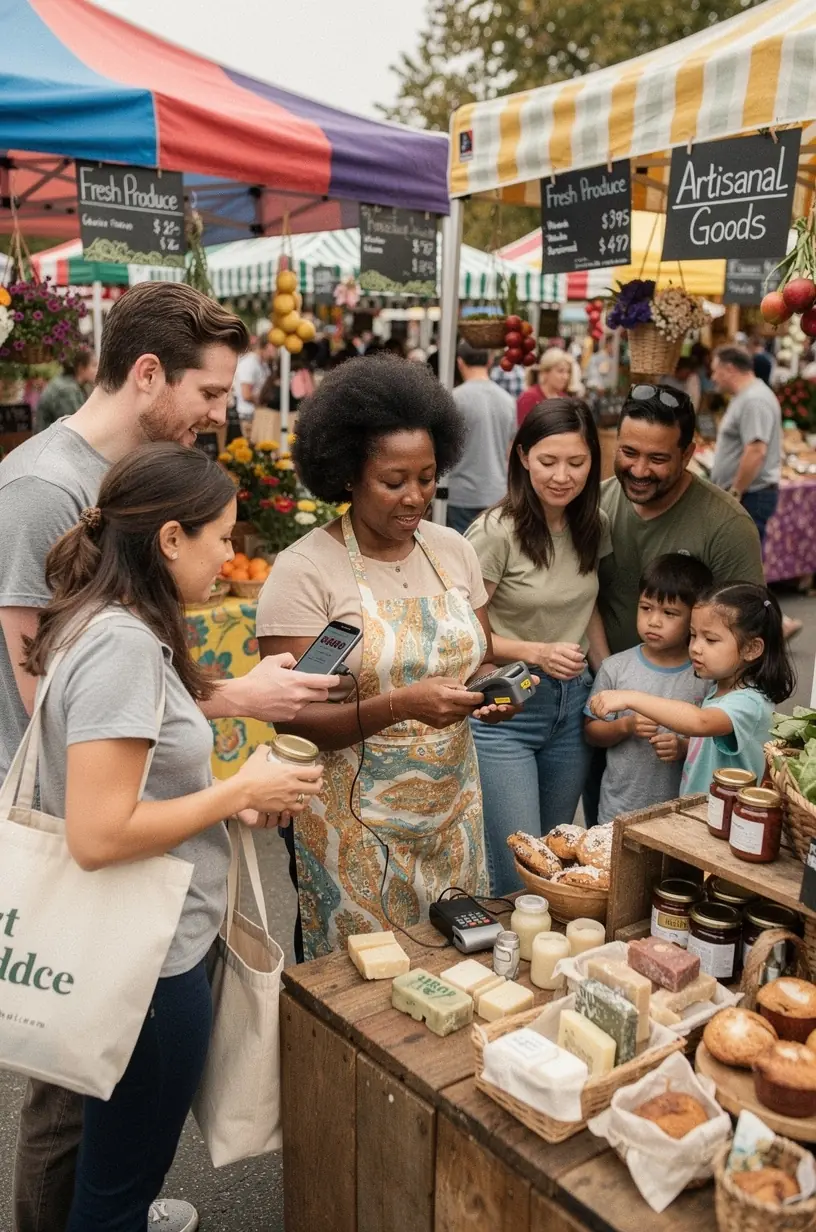
- Promote Local Events: Sharing information about community events can increase participation. Studies show that communities promoting their events on social media typically see a 30-50% increase in attendance.
- Create Support Networks: Social media allows individuals to connect with local organizations and support groups, which can be especially beneficial in times of crisis.
- Encourage Citizen Participation: Engaging community members in discussions about local issues can lead to increased civic involvement. Community leaders often report that this can lead to a more informed and active citizenry.
Effective Strategies for Community Development
To effectively leverage social media, communities might consider the following strategies:
- Identify Key Platforms: Not all social media platforms are suitable for every community. Research indicates that communities should focus on the platforms where their target audience is most active.
- Develop a Content Strategy: Regularly posting engaging and relevant content can keep community members informed and interested. This often requires a commitment to consistency over time.
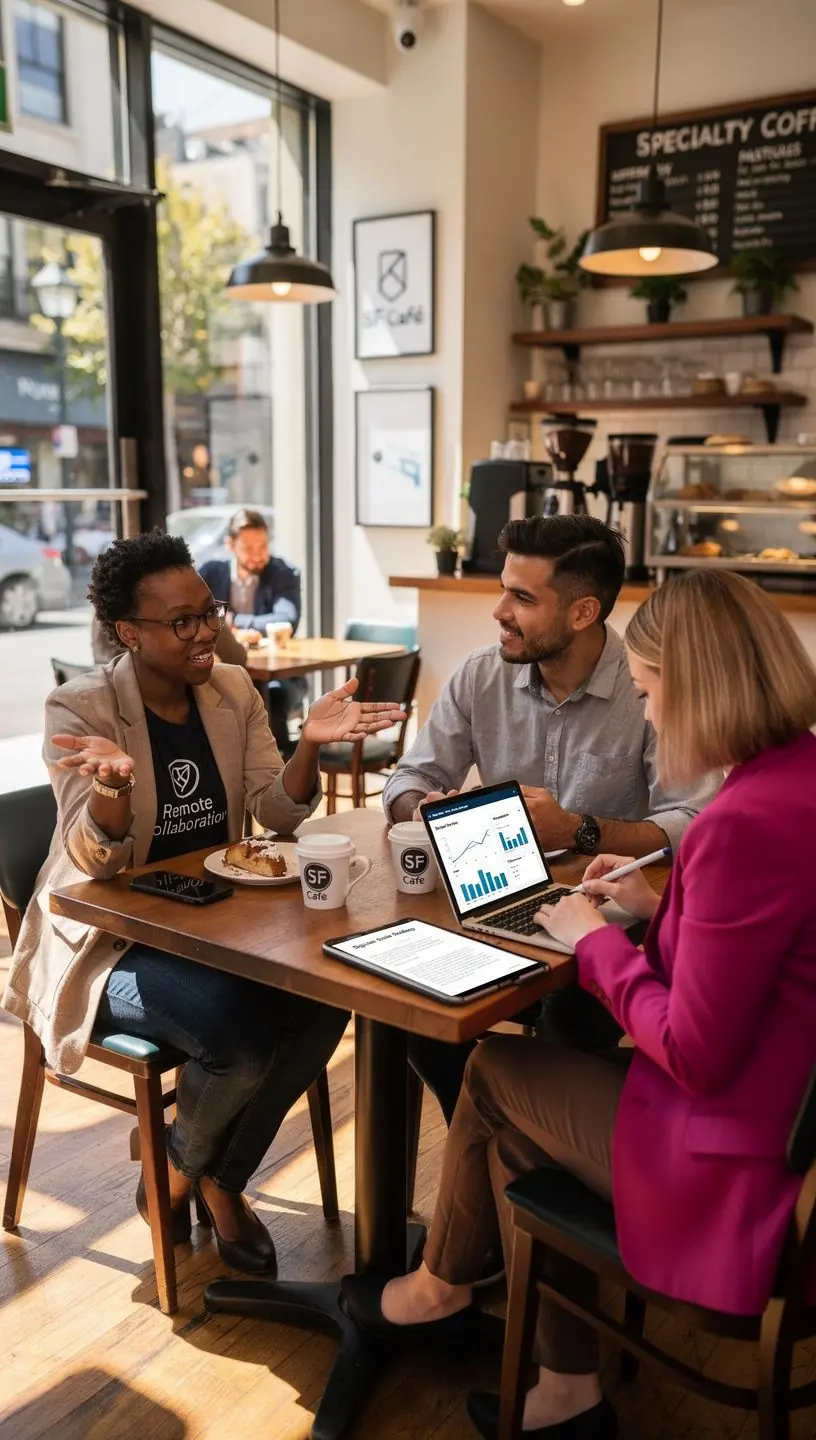
- Foster Collaboration: Encourage local businesses and organizations to collaborate on social media campaigns. This can amplify reach and create a more unified community message.
Measuring Success and Adapting
Communities should establish metrics to evaluate the effectiveness of their social media efforts. Common indicators include engagement rates, the number of event RSVPs generated through social media, and feedback from community members. This process typically involves continual monitoring and may require adjustments based on what the data reveals.
Conclusion
Social media offers a unique opportunity for communities to enhance their development efforts. By understanding how to effectively engage with these platforms, local groups can foster meaningful connections and drive positive change. While success may not happen overnight, consistent effort and strategic planning can significantly improve community engagement and development over time.