Exploring Digital Equity in Urban and Rural Areas
As communities across the United States embrace technology, the concept of digital equity becomes increasingly important. This article explores the disparities in access to digital resources between urban and rural areas, discussing how these differences impact community development and individual opportunities.
Understanding Digital Equity
Digital equity refers to the fair and just distribution of technology and Internet access across all communities. According to the National Digital Inclusion Alliance, digital equity is essential for ensuring that all individuals can participate fully in society and the economy. This concept encompasses various factors, including access to devices, reliable Internet connections, and the necessary digital skills to utilize these resources effectively.

"Achieving digital equity is crucial for empowering underserved communities and fostering inclusive growth." - National Digital Inclusion Alliance
The Urban-Rural Divide
Research indicates that urban areas typically enjoy greater access to high-speed Internet and digital resources compared to their rural counterparts. For instance, the Federal Communications Commission (FCC) reported that while around 97% of urban residents have access to broadband, this number drops to about 65% in rural regions. This disparity can lead to significant inequalities in education, employment, and healthcare opportunities.
Key Factors Influencing Access
- Infrastructure: Urban areas often benefit from more developed telecommunications infrastructure, making it easier to access high-speed Internet.
- Affordability: The cost of Internet service can be prohibitive, particularly for low-income families in both urban and rural settings. Studies suggest that many families prioritize basic needs over technology expenses.
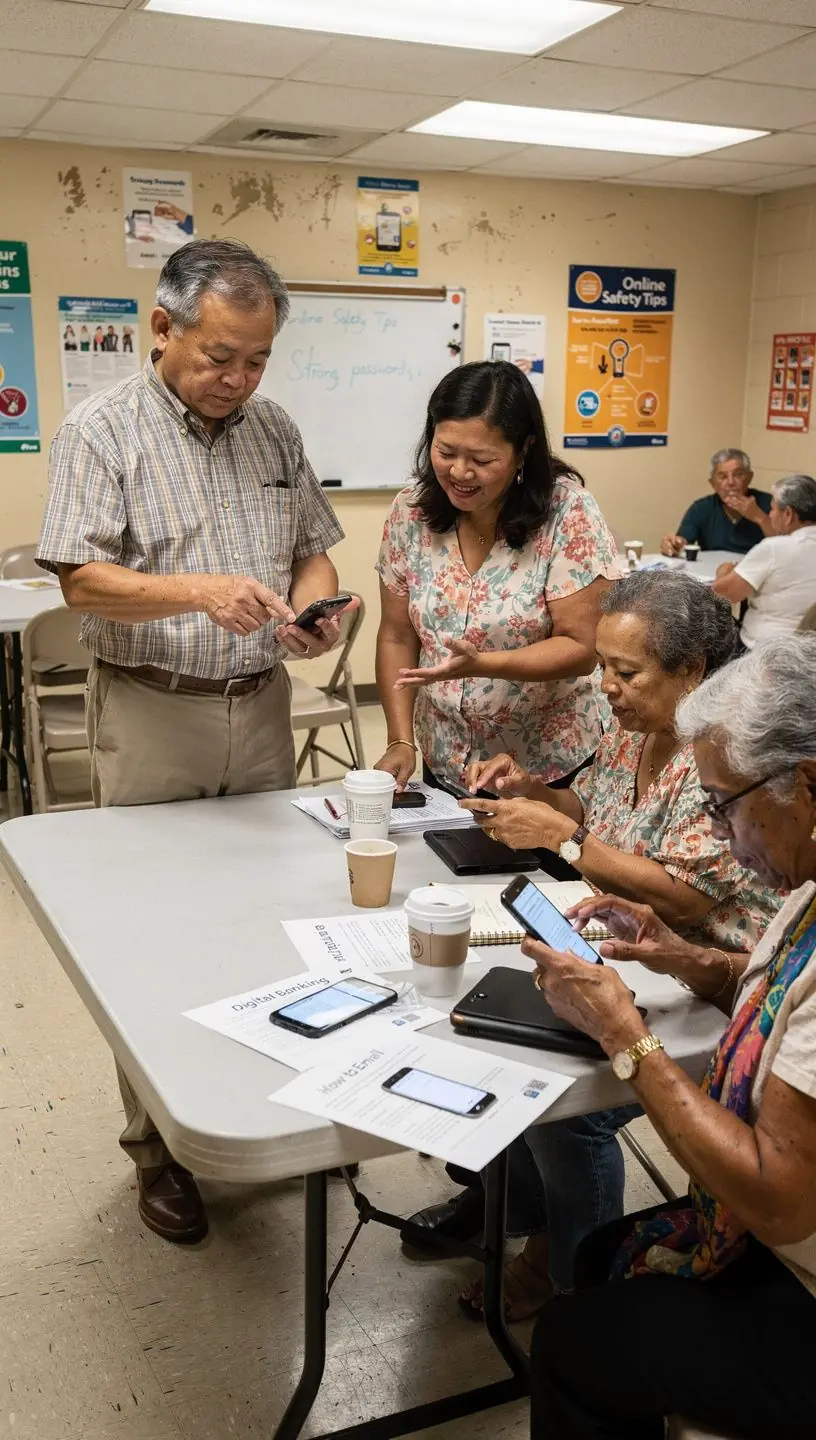
- Digital Literacy: The ability to effectively use technology varies widely across demographics. Research shows that individuals with higher levels of education and training are typically more comfortable engaging with digital tools.
Addressing the Gaps
Efforts to bridge the digital divide require a multifaceted approach. Initiatives can include:
- Community Partnerships: Collaborating with local organizations to provide resources and educational programs tailored to specific community needs.
- Investment in Infrastructure: Government and private sector investments in broadband expansion are vital for improving access in underserved areas.
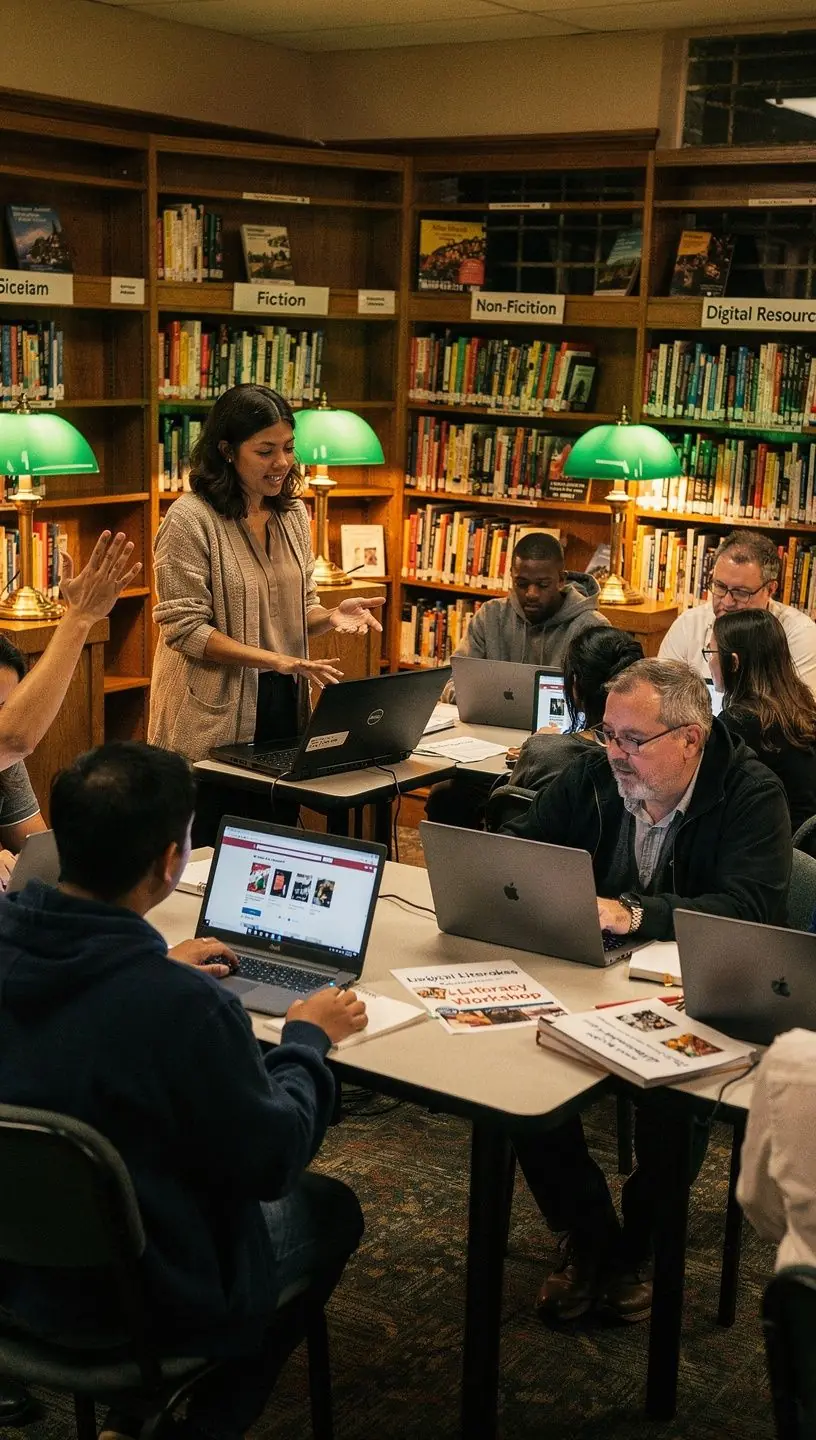
- Promoting Digital Literacy: Implementing programs that focus on enhancing digital skills can empower individuals to utilize technology effectively, thereby improving their economic and social opportunities.
Conclusion
Digital equity is a crucial aspect of community development that requires attention from policymakers, educators, and local organizations. By understanding the unique challenges faced by urban and rural areas, stakeholders can work together to create a more inclusive digital landscape. Achieving progress in this field is a continuous journey, but fostering equitable access to technology can pave the way for a brighter future for all communities.